Dreamy Loly: A Versatile Typeface for Modern Web Design
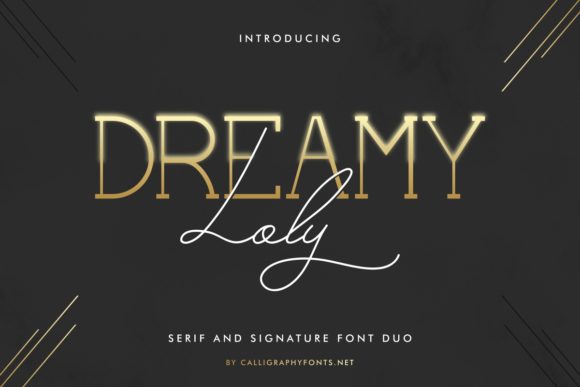
I was deep into the redesign of a boutique lifestyle brand's homepage last Tuesday when I hit that familiar wall. The hero section felt flat. The sans serif headline I had chosen was clean, sure, but it lacked soul. It didn't tell the story of the handcrafted products they were selling. I needed something that bridged the gap between professional reliability and personal touch. That is when I started testing Dreamy Loly, a unique duo font from Script Amp that combines a refined serif with a fluid handwritten style.
As a UI designer, my first instinct is always to check how a new typeface behaves in a real layout, not just in a specimen sheet. I dropped Dreamy Loly into the main headline of the landing page, right over a soft, textured background image. The difference was immediate. This isn't just a decorative script; it is a balanced typeface designed with digital screens in mind. The strokes are neither too thin nor too thick, which is crucial for maintaining readability on high-resolution Retina displays and standard mobile screens alike.
Building Visual Hierarchy with a Duo Font
The magic of Dreamy Loly lies in its versatility. In web design, we often struggle to create a strong visual hierarchy without cluttering the interface. Because this product offers both a serif font and a handwritten font in one package, it allows for incredible consistency within a single brand identity. For the lifestyle project I was working on, I used the serif variant for the sub-headings and the handwritten style for the primary call-to-action buttons and accent phrases.
This approach created a natural flow for the user's eye. The serif provided the structure and authority needed for an editorial design feel, while the script added the human element that encourages engagement. When users scan a page, they look for cues on what to read first. Dreamy Loly acts as those cues. The varied stroke weights guide the viewer through the content, making the experience feel less like reading a manual and more like having a conversation.
Optimizing for Mobile and Responsive Layouts
One of the biggest risks with script fonts and display typefaces is how they render on smaller devices. A font that looks gorgeous on a 27-inch monitor can become an illegible blob on a smartphone. During my testing phase, I specifically focused on the mobile breakpoint. I adjusted the line height and letter spacing to ensure the handwritten elements remained distinct.
Dreamy Loly held up surprisingly well. Because the design avoids extreme contrasts in stroke width, it remains legible even at smaller sizes. However, I would advise against using the script variant for long paragraphs of body copy on mobile. It shines best as a display font for headers, short quotes, or logo text. For the body content, I paired it with a simple, geometric sans serif font. This combination is a classic move in modern typography; the neutral body text lets the personality of Dreamy Loly take center stage without overwhelming the reader.
Elevating Brand Identity Across Digital Channels
Beyond the website itself, a cohesive brand identity requires consistency across all touchpoints. I imagined how this font would translate to the client's social media graphics and email newsletters. The handwritten style of Dreamy Loly is perfect for creating custom overlays on Instagram stories or highlighting key benefits in a promotional email. It adds a layer of authenticity that standard system fonts simply cannot match.
For course creators and coaches, this kind of creative font is invaluable. On a sales page, trust is the currency. A polished, professional-looking header tells the visitor that the creator cares about quality. Using Dreamy Loly for the course title and the instructor's signature creates a sense of personal guarantee. It suggests that there is a real person behind the digital product, which can significantly impact conversion rates by fostering a connection before the user even clicks "buy."
Practical Considerations for Web Implementation
Before finalizing any font choice for a client project, there are technical boxes to check. Since Dreamy Loly is a premium font available through Script Amp, it is essential to review the licensing terms. Ensure you have the correct commercial font license for web embedding, especially if the site expects high traffic or if the font will be used in a SaaS product where users might generate their own designs.
From a performance standpoint, webfonts can sometimes slow down page load times if not managed correctly. When integrating Dreamy Loly, I recommend using the modern WOFF2 file format to ensure fast loading across browsers. Also, pay attention to the font pairing. While the duo nature of this package handles most internal pairing needs, selecting the right secondary font for body text is critical. Stick to highly readable sans serifs with open apertures to maintain accessibility standards.
- Hero Sections: Use the handwritten style for impactful, emotional headlines that grab attention immediately.
- Navigation and Buttons: The serif variant works beautifully for nav items, offering a touch of elegance without sacrificing clarity.
- Testimonials: Frame customer quotes in the script font to make them feel personal and authentic.
- Logo Design: The balanced weight makes it a strong contender for logotypes, particularly for boutiques and creative agencies.
Ultimately, choosing a font is about setting the mood for the entire digital experience. Dreamy Loly offers a sophisticated blend of structure and whimsy that fits perfectly into the current trend of human-centric web design. Whether you are building a portfolio site to showcase your work, launching a new product line, or refreshing a blog, this typeface provides the tools to create a polished, memorable online presence. It reminds us that even in a digital world, the human touch still matters most.
As I wrapped up the design session, the homepage finally felt complete. The typography wasn't just filling space; it was telling the brand's story. That is the power of the right design assets. By carefully selecting and implementing a versatile tool like Dreamy Loly, we can build interfaces that are not only functional but also emotionally resonant.